Description
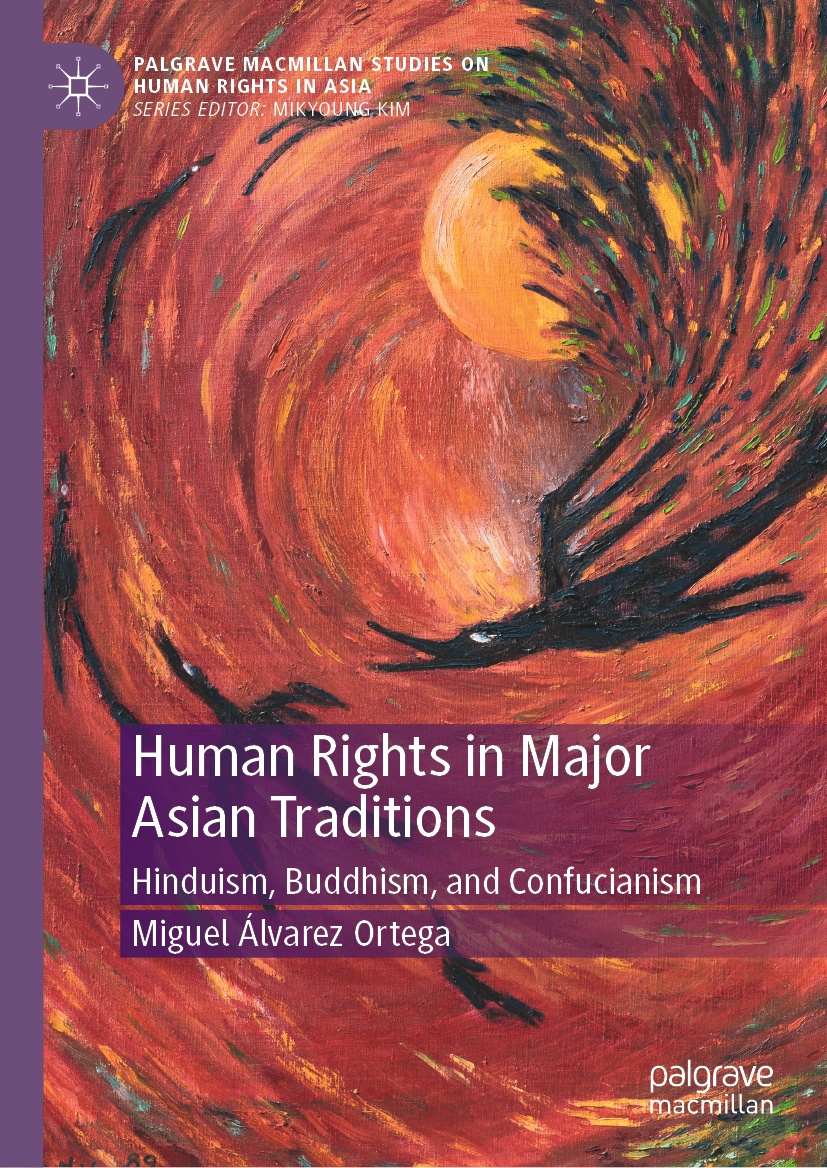
Human Rights in Major Asian Traditions
Hinduism, Buddhism, and Confucianism
Álvarez Ortega, Miguel
ISBN 978-981-92-6216-8 · Palgrave Macmillan · XIX, 235 p. 1 illus. ·
Description / Beschreibung
This book provides a comparative and internally grounded analysis of human rights across three major Asian traditions—Hinduism, Buddhism, and Confucianism—focusing on how dignity, moral status, duties, and social justice have been articulated from within each tradition. Each chapter introduces a tradition, sets out its core normative concepts, and traces its encounters with human rights discourse. The book adopts an emic analytical method, reconstructing ethico-political reasoning using each tradition's own concepts, texts, and historical debates, avoiding apologetic readings and reductive cultural relativism. It combines historical depth with contemporary relevance, tracing how premodern ideas have been reinterpreted in modern and postcolonial contexts shaped by constitutionalism and human rights. It offers a systematic comparison across traditions, addressing a clear gap between abstract philosophical discussions of universalism and relativism and narrowly descriptive studies of religion or culture. An epilogue argues these traditions' humanistic and rationalist formulations belong in human rights discourse, politically and philosophically.
Contents / Inhaltsverzeichnis
Chapter 1: Introduction: Voices from Asia, Speaking within Asian Traditions.- Chapter 2: Hinduism: The Long Shadow of Casteism.- Chapter 3: Buddhism: The Discreet Charm of Emptiness.- Chapter 4: Confucianism: Along the Paternal-Celestial Vertical.- Chapter 5: Epilogue: Ubi Humanismus.
Contributors / Mitwirkende
Miguel Álvarez Ortega is Associate Professor of Legal Philosophy at the University of Seville, and former faculty member of Kyoto Law School, with academic training in international law, jurisprudence, linguistics, and Buddhist philosophy and languages. His research focuses on Buddhist approaches to law and politics, particularly in the Himalayan region.
Features / Besonderheiten
First systematic legal-philosophical comparison of human rights across Hinduism, Buddhism, and Confucianism Moves beyond “Asian values” debates by analysing rights through internal normative logics Bridges human rights theory and Asian religious traditions with rigorous conceptual and historical analysis